
Our board-certified oral surgeons at Greenwich Oral Surgery provide comprehensive sedation options to ensure your comfort during surgical procedures. From mild relaxation to complete unconsciousness, we tailor sedation levels to your specific needs and anxiety concerns, delivering safe and monitored care in our modern surgical facility.
Greenwich Oral Surgery prioritizes patient comfort through comprehensive sedation services ranging from mild relaxation to complete unconsciousness. Our oral and maxillofacial surgeons complete extensive anesthesia training during residency, acquiring expertise typically reserved for medical anesthesiologists. This advanced training enables us to provide hospital-level sedation safely in our comfortable office setting, serving patients from Greenwich, Westchester County, and throughout the tri-state area who seek anxiety-free surgical care.
We provide multiple sedation options tailored to your procedure complexity and anxiety level. Nitrous oxide (laughing gas) offers mild relaxation while you remain fully conscious and can drive yourself home afterward. Oral sedation involves taking prescribed medication before your appointment to achieve moderate relaxation. IV sedation delivers medications directly into your bloodstream, creating deep relaxation where you remain responsive but have little memory of the procedure. General anesthesia renders you completely unconscious for complex surgeries, requiring specialized monitoring and post-procedure supervision. Our surgeons hold advanced licensure for administering IV sedation and general anesthesia, ensuring the highest safety standards.
Your ideal sedation level depends on several factors we evaluate during your consultation. Procedure complexity and expected duration influence sedation recommendations—simple extractions may need only nitrous oxide, while jaw surgery typically requires general anesthesia. Your anxiety level and previous dental experiences help us understand your comfort needs. Medical history, current medications, and conditions like sleep apnea affect which sedation options are safest for you. Age and overall health status also play important roles in sedation planning. Our surgeons review all these factors with you, explaining benefits and risks of each option before recommending the sedation approach that balances comfort, safety, and optimal surgical conditions for your specific situation.
Proper preparation ensures safe sedation and optimal surgical outcomes. For IV sedation or general anesthesia, avoid eating or drinking anything for at least 8 hours before your appointment—this includes water, gum, and mints. Take only medications your surgeon specifically approved, with small sips of water if needed. Wear comfortable, loose-fitting clothing with short sleeves to allow IV access. Arrange for a responsible adult to drive you to and from your appointment and stay with you for several hours afterward, as you cannot drive or operate machinery for 24 hours following sedation. Remove contact lenses, jewelry, and nail polish before arriving. Inform our office immediately if you develop a cold, flu, or other illness before your scheduled procedure, as this may require rescheduling for your safety.
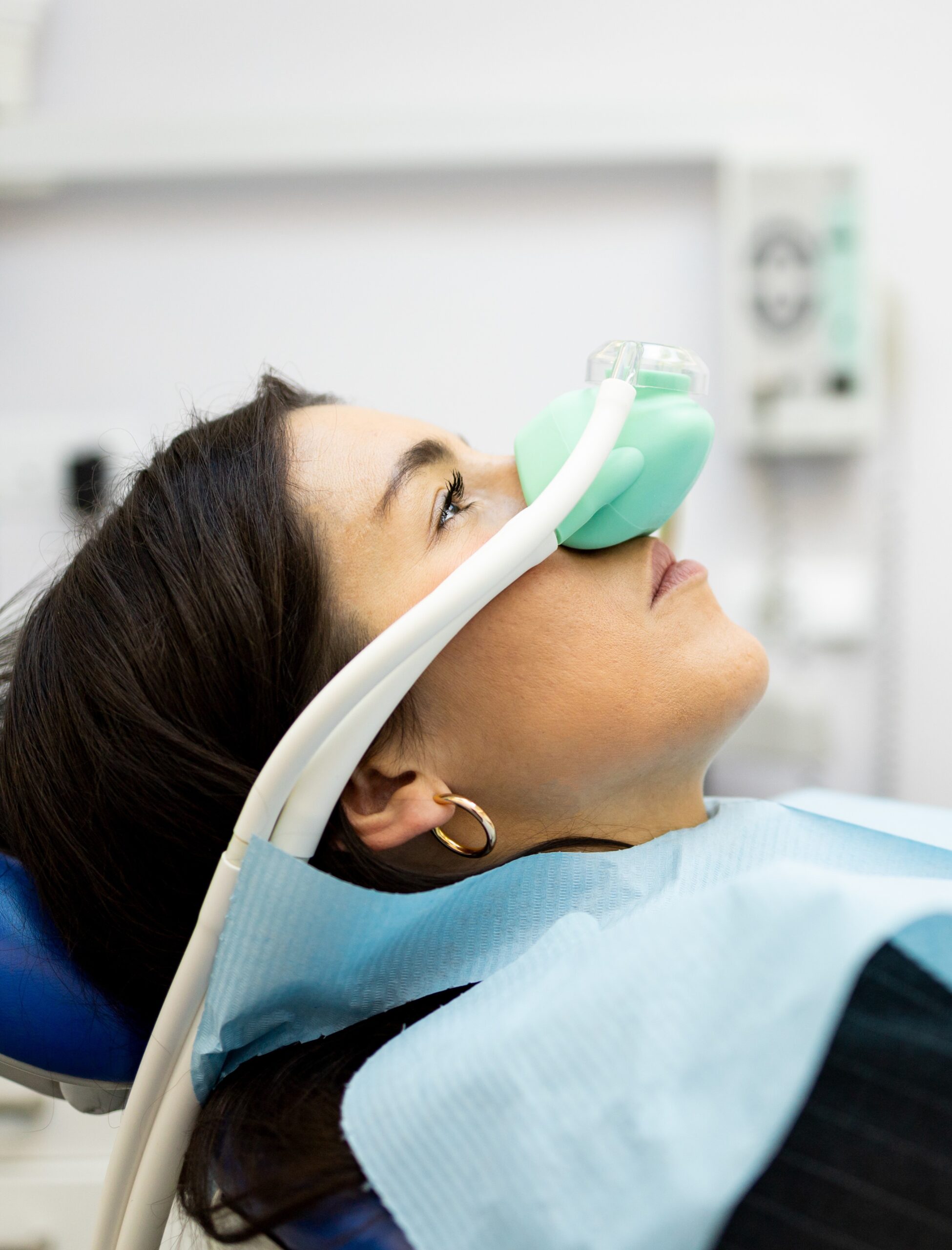

Your sedation experience begins with our team placing monitoring equipment to track your vital signs throughout the procedure. For IV sedation, a small catheter is placed in your arm to deliver medications that create deep relaxation within minutes. You’ll feel drowsy and comfortable, with little to no memory of the procedure afterward. Local anesthesia is administered once you’re relaxed, ensuring the surgical area remains completely numb. Our surgical team communicates with you throughout lighter sedation levels, while deeper sedation or general anesthesia means you won’t be aware of the procedure at all. Continuous monitoring of your heart rate, blood pressure, and oxygen levels ensures your safety. Most patients report feeling like only minutes passed, even for procedures lasting an hour or more. As sedation wears off in our recovery area, our team monitors you until you’re ready for discharge with your designated driver.
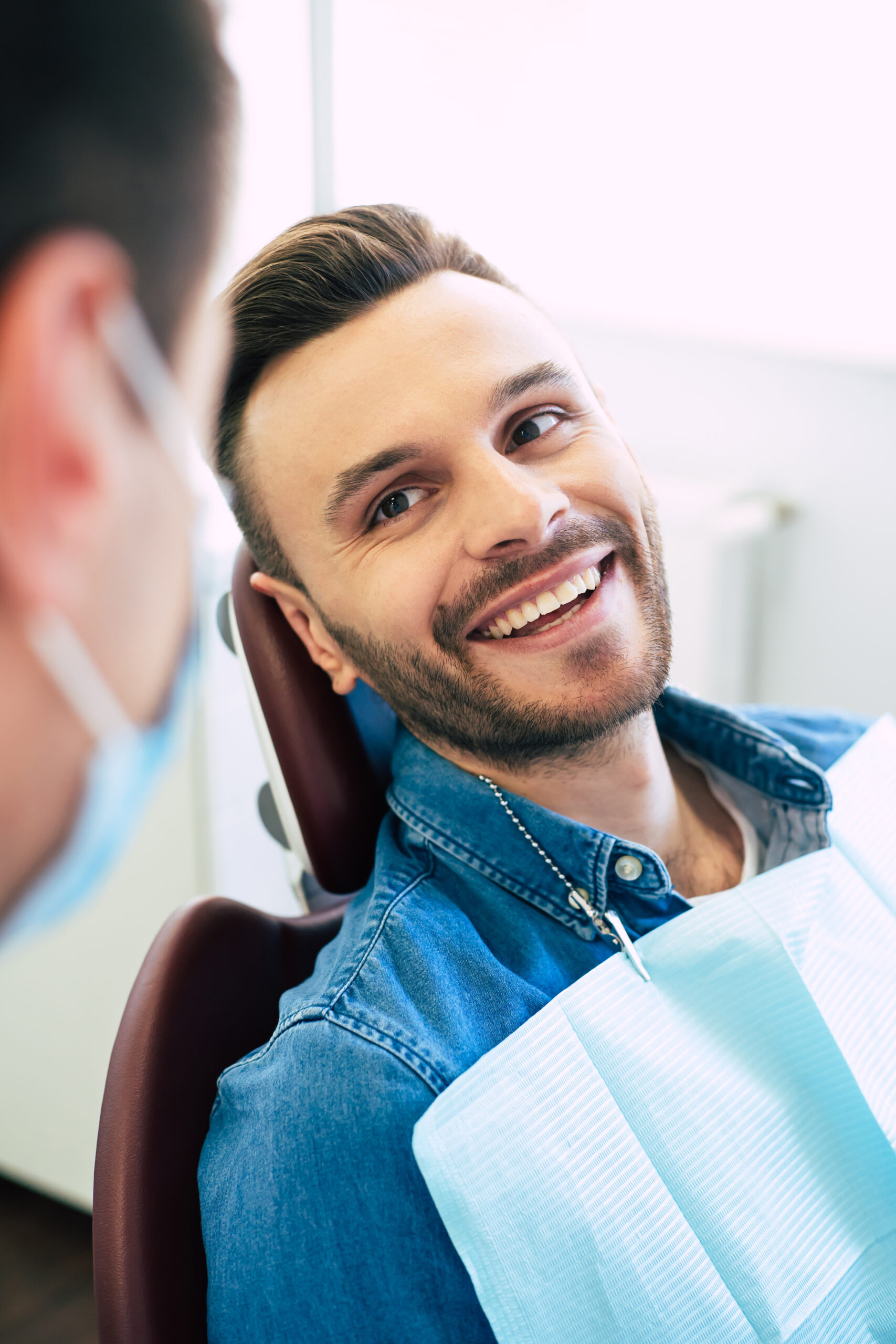
Recovery time depends on your sedation level and individual response to medications. Patients who received nitrous oxide feel normal within minutes and can drive themselves home. Oral sedation requires several hours for drowsiness to wear off completely. IV sedation and general anesthesia patients spend 30-60 minutes in our recovery area under supervision before discharge. You’ll feel groggy and unsteady for several hours, requiring a responsible adult to drive you home and stay with you. Avoid driving, operating machinery, making important decisions, or consuming alcohol for 24 hours following sedation. Most patients sleep for a few hours after arriving home as medications fully clear their system. Mild nausea occasionally occurs but typically resolves quickly. By the next day, sedation effects have completely worn off, though surgical site discomfort may persist as part of normal healing.

Dental anxiety shouldn’t prevent you from receiving necessary oral surgery care. Our comprehensive sedation options and experienced surgical team ensure comfortable, stress-free procedures tailored to your anxiety level and medical needs. From mild relaxation to complete unconsciousness, we provide the sedation approach that helps you receive care with confidence.
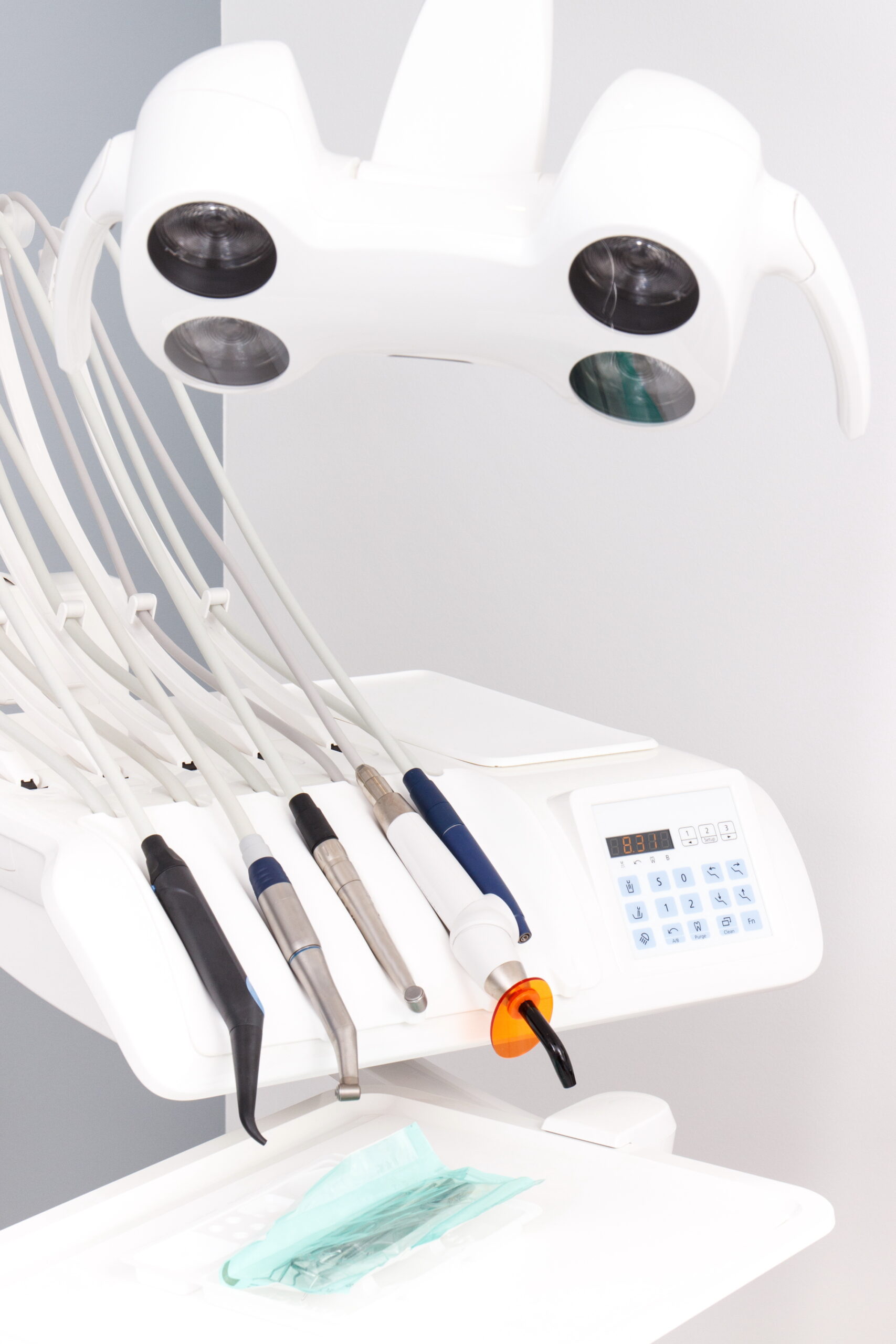
Our state-of-the-art monitoring equipment tracks your vital signs continuously throughout sedated procedures, ensuring immediate response to any changes. Advanced anesthesia delivery systems allow precise medication dosing tailored to your individual needs. Pulse oximetry monitors oxygen levels, while cardiac monitoring tracks heart rate and rhythm throughout your procedure. Blood pressure monitoring ensures cardiovascular stability during sedation. Our surgeons hold specialized licensure for administering IV sedation and general anesthesia, with Advanced Cardiac Life Support certification providing additional safety protocols. This combination of advanced technology and specialized training ensures the safest possible sedation experience.
Our board-certified surgeons completed extensive anesthesia training during their hospital-based residencies, including rotations in anesthesiology departments at major medical centers. This advanced training covers sedation pharmacology, airway management, emergency protocols, and managing sedation complications. Our surgeons maintain specialized licensure in both Connecticut and New York for administering dental general anesthesia and IV sedation—credentials that require rigorous continuing education and adherence to strict safety standards. This level of training ensures you receive sedation care from surgeons qualified to handle both routine cases and patients with complex medical conditions requiring additional precautions.
We tailor sedation approaches to your specific anxiety level, medical history, and procedure complexity. During your consultation, we review your previous dental experiences, current medications, and any medical conditions that might affect sedation choices. Your comfort preferences and anxiety level help determine whether mild relaxation or deeper sedation best suits your needs. We explain all sedation options in detail, discussing what you'll experience, recovery expectations, and any necessary preparations. Our goal is ensuring you feel informed and comfortable with your sedation plan, allowing you to proceed with surgery confidently knowing your comfort and safety are our priorities.
Understanding the sedation experience helps reduce anxiety and ensures realistic expectations. While experiences vary by sedation level, certain aspects remain consistent.
Understanding sedation options and what to expect helps reduce anxiety about your upcoming procedure. Below are answers to common questions about sedation dentistry and safety protocols.
Sedation dentistry is extremely safe when administered by qualified oral surgeons with specialized training. Our surgeons hold advanced licensure for dental general anesthesia and IV sedation in both Connecticut and New York, with rigorous continuing education requirements ensuring current expertise. We use state-of-the-art monitoring equipment that tracks your vital signs continuously throughout the procedure, allowing immediate response to any changes. Advanced Cardiac Life Support certification provides additional emergency preparedness. Serious complications remain extremely rare with proper patient screening, appropriate sedation selection, and continuous monitoring by experienced surgeons.
Memory during sedation depends on the sedation level you receive. Nitrous oxide keeps you fully conscious and aware, though relaxed. Oral sedation creates drowsiness with some memory loss. IV moderate sedation produces limited memory, with most patients recalling little to nothing of the procedure. IV deep sedation and general anesthesia result in complete amnesia—you won’t remember the procedure at all. Even with lighter sedation where you remain responsive, most patients report feeling like only minutes passed regardless of actual procedure length.
Sedation duration varies by type and individual metabolism. Nitrous oxide wears off within minutes after we stop administering it, allowing you to drive yourself home. Oral sedation effects last several hours, requiring a driver and rest at home. IV sedation patients typically feel groggy for 4-6 hours after the procedure, with complete clearance by the next day. General anesthesia requires the longest recovery, with drowsiness persisting for several hours. We keep you in our recovery area under supervision until you’re stable and ready for discharge. You cannot drive or operate machinery for 24 hours following any sedation beyond nitrous oxide.
Most patients are excellent candidates for sedation, though certain medical conditions require additional precautions or may limit sedation options. Sleep apnea, significant respiratory conditions, or severe cardiovascular disease may require modified sedation approaches or hospital-based surgery for optimal safety. Pregnancy, certain medications, and allergies to sedative medications also affect sedation choices. During your consultation, we review your complete medical history to determine which sedation options are safest for your specific situation. Our surgeons’ extensive medical training allows us to safely sedate patients with complex health conditions that might exclude them from sedation at general dental offices.
We’re proud to serve patients throughout the tri-state area with multiple convenient locations across Connecticut and New York. Our flagship practice in Greenwich, Connecticut, features brand-new, state-of-the-art surgical suites designed to provide the highest level of care in a modern, comfortable setting. We also maintain offices in Darien, Connecticut, Westport, Connecticut and Purchase, New York, ensuring accessible, premium oral and maxillofacial surgery services for patients throughout Fairfield and Westchester Counties. Whether you’re coming from Old Greenwich, Riverside, Stamford, New Canaan, or the surrounding communities, our Board Certified oral surgeons are ready to provide the advanced surgical care you deserve close to home.