
Traumatic dental injuries from sports accidents, falls, or other impacts require immediate attention to save teeth and preserve oral function. At Greenwich Oral Surgery, our oral surgeons provide emergency treatment for knocked-out teeth, fractured jaws, and severe soft tissue damage, delivering prompt surgical care to restore your smile and prevent long-term complications.
Traumatic dental injuries require immediate professional attention to preserve your oral health and potentially save damaged teeth. At Greenwich Oral Surgery, our board-certified oral and maxillofacial surgeons provide comprehensive emergency care for dental trauma, from knocked-out teeth to complex facial injuries. Our Greenwich practice serves patients throughout Westchester County and the tri-state area with urgent surgical intervention when minutes matter most. If you’ve experienced a dental emergency, our team offers the advanced training and state-of-the-art technology necessary for optimal outcomes.
Dental trauma encompasses a wide range of injuries, each requiring specific treatment approaches. Whether you’ve suffered a sports injury, motor vehicle accident, or unexpected fall, our surgeons bring extensive hospital-based training to every emergency case. Understanding these injuries helps you recognize when immediate care is necessary.
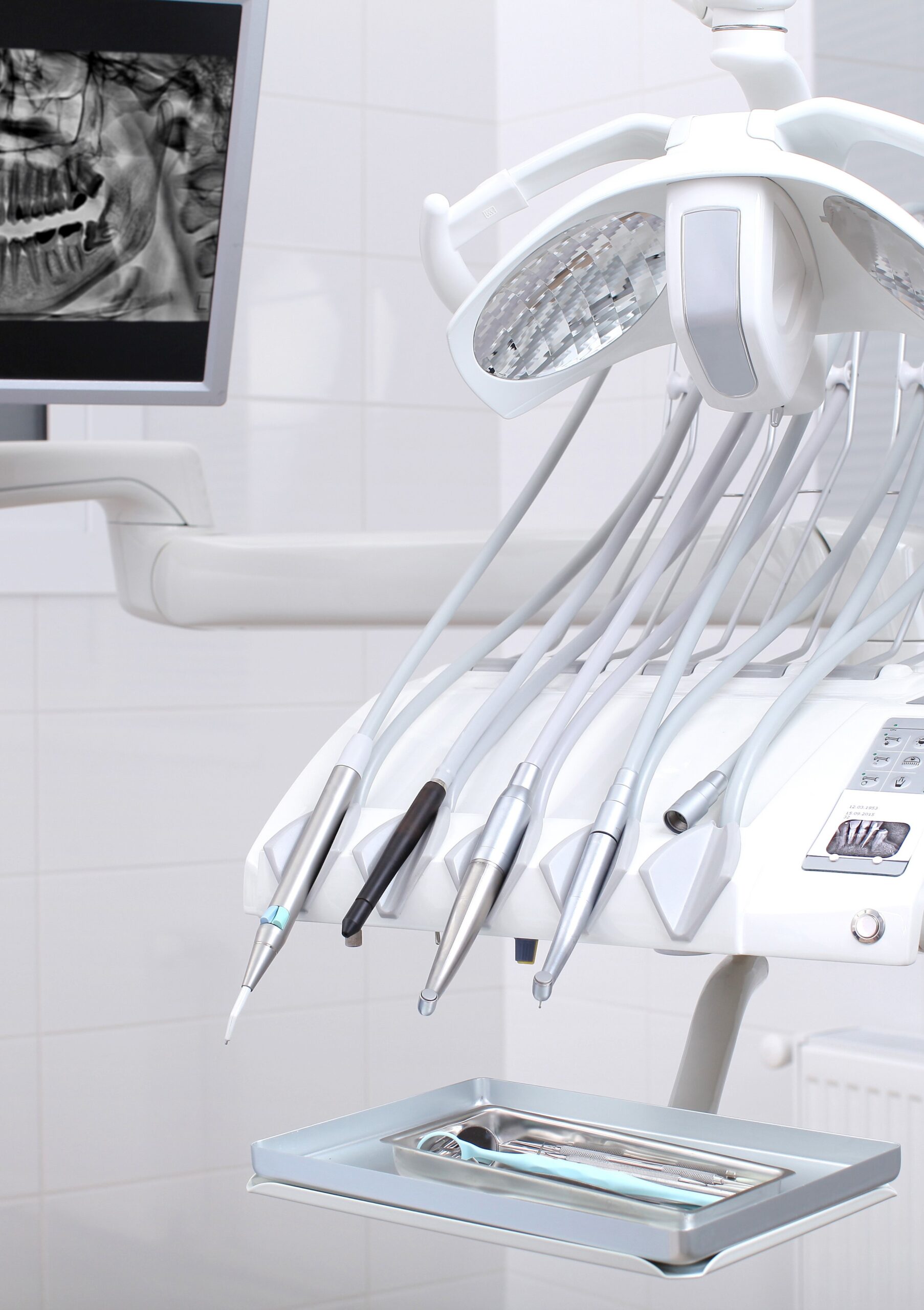
Traumatic dental injuries vary significantly in severity and complexity. Tooth avulsion occurs when a tooth is completely knocked out of its socket, requiring reimplantation within 30 minutes for the best chance of survival. Crown fractures involve breaks in the visible portion of the tooth, exposing sensitive inner layers or nerve tissue. Root fractures affect the tooth structure below the gum line, potentially compromising stability and requiring surgical intervention. Alveolar bone fractures damage the bone supporting teeth, often involving multiple teeth and requiring stabilization.
Your actions immediately following dental trauma significantly impact treatment outcomes. For knocked-out permanent teeth, handle the tooth only by the crown, never touching the root surface. Gently rinse the tooth with milk or saline if dirty, avoiding scrubbing or removing attached tissue fragments. Attempt to reposition the tooth in its socket if possible, or keep it moist in milk or saliva until you reach our office. Control bleeding by applying gentle pressure with clean gauze or cloth. Apply ice packs to reduce swelling and minimize discomfort. Contact our practice immediately for emergency guidance and treatment.
Our surgical approach to traumatic dental injuries combines immediate stabilization with long-term reconstruction planning. Emergency treatment begins with comprehensive clinical and radiographic examination to assess all injuries. We perform tooth reimplantation and splinting to stabilize avulsed or displaced teeth, giving them the best chance for successful reintegration. Fracture repair addresses both tooth and bone injuries, utilizing advanced fixation techniques when necessary. Soft tissue reconstruction repairs lacerations and contusions while minimizing scarring and preserving function. We coordinate with general dentists and endodontists for comprehensive care, including root canal therapy when pulp damage occurs. Follow-up monitoring tracks healing progress and identifies potential complications requiring intervention.

Athletic activities account for a significant percentage of traumatic dental injuries, particularly in contact sports and high-impact activities. Our surgeons regularly treat injuries from basketball, football, hockey, soccer, and martial arts. Prevention strategies include wearing properly fitted mouthguards during all athletic activities, replacing damaged or ill-fitting protective equipment regularly, and seeking immediate evaluation after any oral or facial impact during sports. Custom athletic mouthguards fabricated by dental professionals provide superior protection compared to over-the-counter options. Young athletes face particular vulnerability during tooth development stages, making prevention and immediate treatment critical for preserving developing permanent teeth.

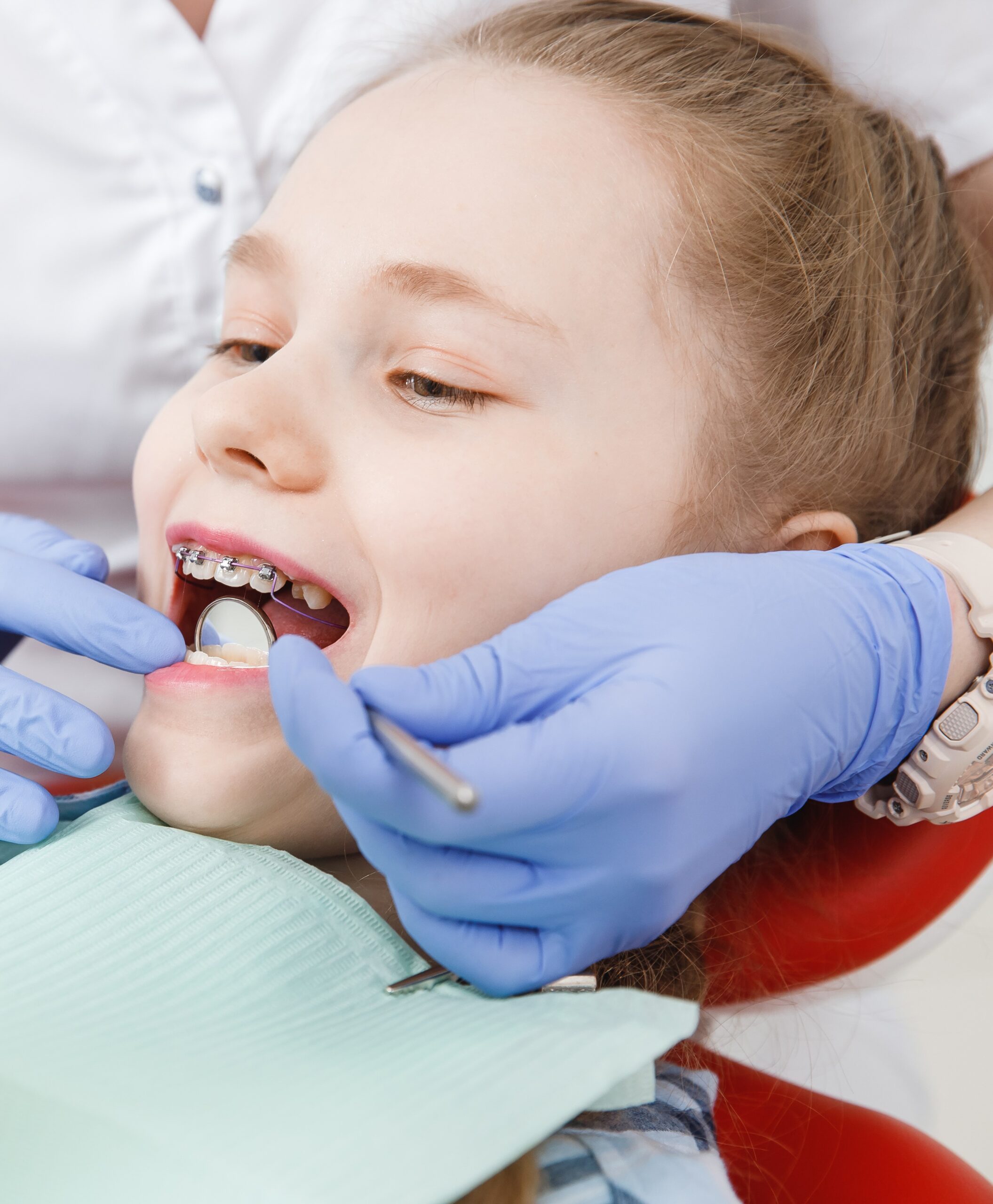
Children experience dental injuries at higher rates than adults due to developing coordination, active lifestyles, and risk-taking behaviors. Treatment approaches differ for primary versus permanent teeth. Primary tooth injuries require assessment to prevent damage to developing permanent teeth beneath. Permanent tooth trauma in children demands immediate intervention to preserve teeth during critical developmental periods. Our surgeons work closely with pediatric dentists to provide age-appropriate care considering growth and development factors. Parents should establish emergency action plans, keep our contact information readily accessible, and ensure children wear protective equipment during sports and recreational activities.
Severe accidents sometimes cause injuries extending beyond teeth to facial bones and soft tissues. Our hospital-based surgical training prepares us to manage these complex cases requiring coordinated treatment. Maxillofacial fractures affecting cheekbones, eye sockets, or jaw require surgical reduction and fixation. Combined tooth and bone injuries demand comprehensive reconstruction addressing both immediate stability and long-term function. Nerve damage assessment determines if specialized treatment is needed for sensory changes. Our surgical team coordinates with medical specialists when injuries involve multiple body systems, ensuring you receive complete care for all trauma-related complications.
Successful trauma recovery requires both immediate treatment excellence and careful long-term management. Most reimplanted teeth require splinting for two to three weeks while periodontal tissues reattach. Root canal therapy often becomes necessary several weeks after trauma as pulp tissue responses to injury become evident. We schedule follow-up appointments to monitor healing progression, identify complications early, and adjust treatment plans when necessary. Long-term monitoring continues for years after significant trauma, as some complications develop gradually. Our commitment to comprehensive care extends throughout your entire recovery journey, ensuring optimal outcomes for even the most complex injuries.
While we provide exceptional emergency care, preventing dental injuries remains the ideal approach. Wear appropriate protective equipment during sports and recreational activities. Address bite problems or protruding teeth that increase injury vulnerability. Maintain awareness of environmental hazards that could cause falls or impacts. Childproof homes to reduce injury risks for young children. Avoid using teeth as tools for opening packages or bottles. Regular dental examinations identify risk factors we can address before injuries occur. When prevention fails, knowing how to respond immediately and having our contact information accessible makes a critical difference in treatment outcomes.
Our practice stands as Greenwich's premier destination for traumatic dental injury care. Board-certified oral and maxillofacial surgeons bring four to six years of additional hospital-based surgical training beyond dental school. Advanced imaging technology including 3D cone beam CT provides detailed visualization for precise treatment planning. Emergency availability ensures you receive timely care when dental trauma occurs. Comprehensive treatment approach addresses both immediate stabilization and long-term reconstruction needs. Our modern surgical facility enables us to perform complex procedures in-office, eliminating the need for hospital referrals in many cases. Coordination with your general dentist and other specialists ensures seamless continuity of care throughout recovery.
If you’ve experienced dental trauma, contact Greenwich Oral Surgery immediately. Time-sensitive injuries require urgent professional attention for optimal outcomes. Our team provides emergency guidance and schedules immediate appointments when necessary. For urgent dental trauma, call our office now for expert care from board-certified oral and maxillofacial surgeons serving Greenwich, Westchester County, and the greater tri-state area.

Dental trauma requires immediate attention to save teeth and prevent complications. Understanding how to respond to traumatic injuries and when to seek emergency care can make the difference between saving and losing a tooth.
Time is critical for saving a knocked-out tooth. Locate the tooth immediately and handle it only by the crown (the visible part), never touching the root. If the tooth is dirty, gently rinse it with milk or saline solution—never scrub or use tap water, which can damage root surface cells. If possible, try to reinsert the tooth into its socket and hold it in place by gently biting on clean gauze. If reinsertion isn’t possible, keep the tooth moist by placing it in milk, your saliva, or a tooth preservation solution. Contact our office or go to Greenwich Hospital Emergency Department immediately—teeth reimplanted within 30-60 minutes have the best chance of survival. Do not let the tooth dry out during transport.
Seek immediate treatment for any tooth that’s knocked out, significantly loosened, or pushed out of position. Fractures exposing the tooth’s inner pulp or causing severe pain require urgent care. Facial lacerations, especially those involving the lips or tongue, may need surgical repair. Jaw injuries causing difficulty opening or closing your mouth, severe pain, or visible deformity require emergency evaluation. Uncontrolled bleeding that doesn’t stop after 15-20 minutes of direct pressure needs immediate attention. Even seemingly minor dental injuries should be evaluated promptly, as damage to tooth roots or supporting structures may not be immediately apparent but can cause serious problems if left untreated.
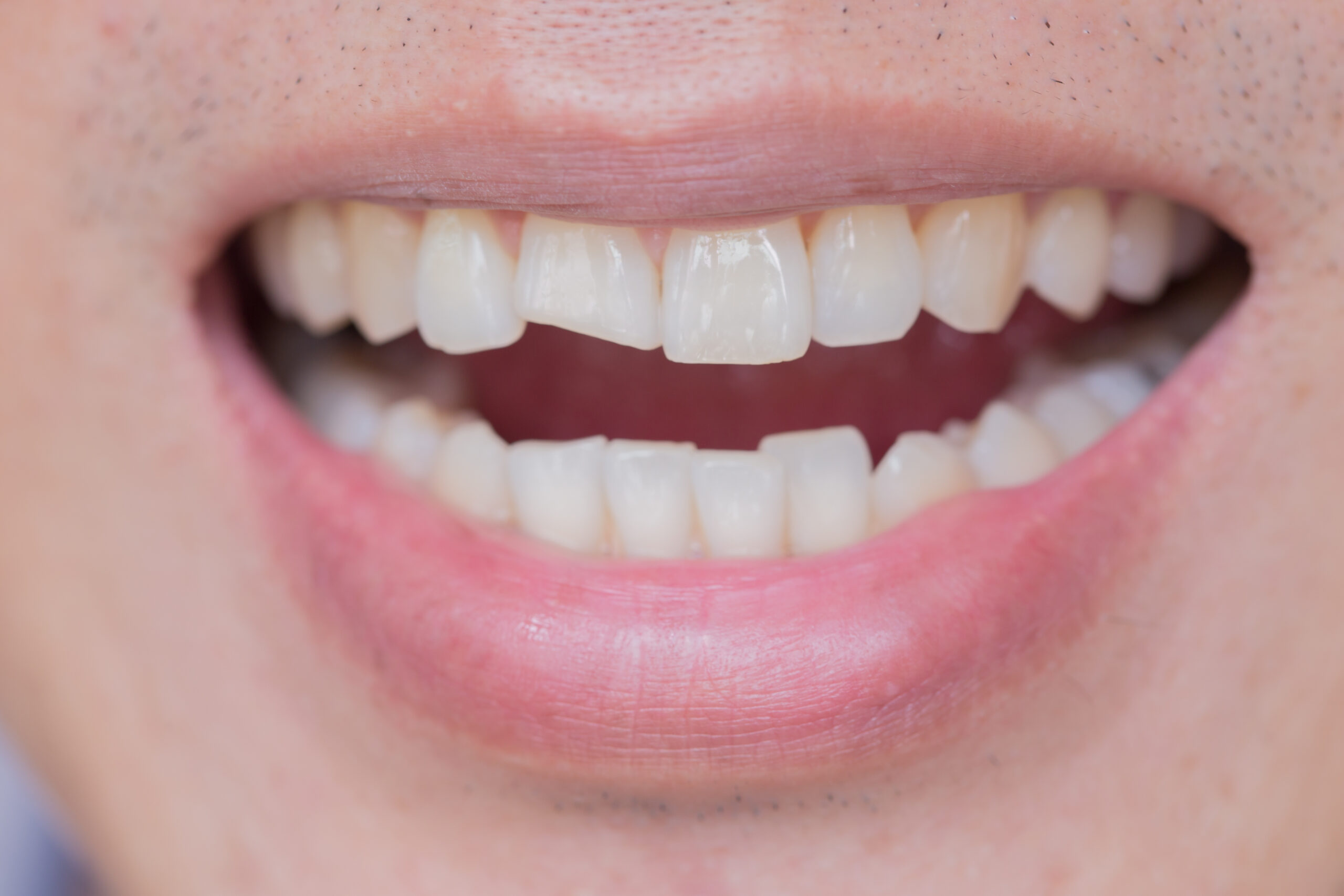
Most broken or chipped teeth can be successfully treated, with outcomes depending on the extent of damage. Small chips affecting only enamel can often be smoothed or repaired with bonding materials. Fractures extending into the dentin layer may require crowns to protect the remaining tooth structure. Deep fractures exposing the pulp typically need root canal treatment followed by crown restoration. Severe fractures extending below the gum line or splitting the tooth vertically may require extraction. If you can find the broken tooth fragment, bring it with you—sometimes it can be bonded back in place. Even if the tooth cannot be saved, dental implants provide excellent replacement options to restore both function and appearance.
Long-term outcomes after dental trauma depend on injury severity, time to treatment, and proper follow-up care. Teeth reimplanted within the first hour have survival rates exceeding 90%, though success decreases significantly with delayed treatment. Some traumatized teeth may develop complications months or years later, including root resorption, nerve death requiring root canal treatment, or ankylosis where the tooth fuses to bone. Children with injuries to primary (baby) teeth may experience effects on developing permanent teeth underneath. Regular follow-up appointments allow early detection of delayed complications when treatment is most effective. Even teeth that appear to heal initially require monitoring for at least one year after injury. With prompt treatment and appropriate follow-up care, most traumatized teeth can be successfully preserved for many years, maintaining both function and appearance.
We’re proud to serve patients throughout the tri-state area with multiple convenient locations across Connecticut and New York. Our flagship practice in Greenwich, Connecticut, features brand-new, state-of-the-art surgical suites designed to provide the highest level of care in a modern, comfortable setting. We also maintain offices in Darien, Connecticut, Westport, Connecticut and Purchase, New York, ensuring accessible, premium oral and maxillofacial surgery services for patients throughout Fairfield and Westchester Counties. Whether you’re coming from Old Greenwich, Riverside, Stamford, New Canaan, or the surrounding communities, our Board Certified oral surgeons are ready to provide the advanced surgical care you deserve close to home.