
Greenwich Oral Surgery stands as the regional leader in orthognathic surgery, bringing exceptional expertise to these complex procedures. Our practice serves patients from Greenwich, Westchester County, New York City, and throughout the tri-state area seeking the highest level of surgical care. We combine advanced 3D surgical planning with meticulous surgical technique, delivering transformative results for patients with jaw deformities and severe malocclusion.
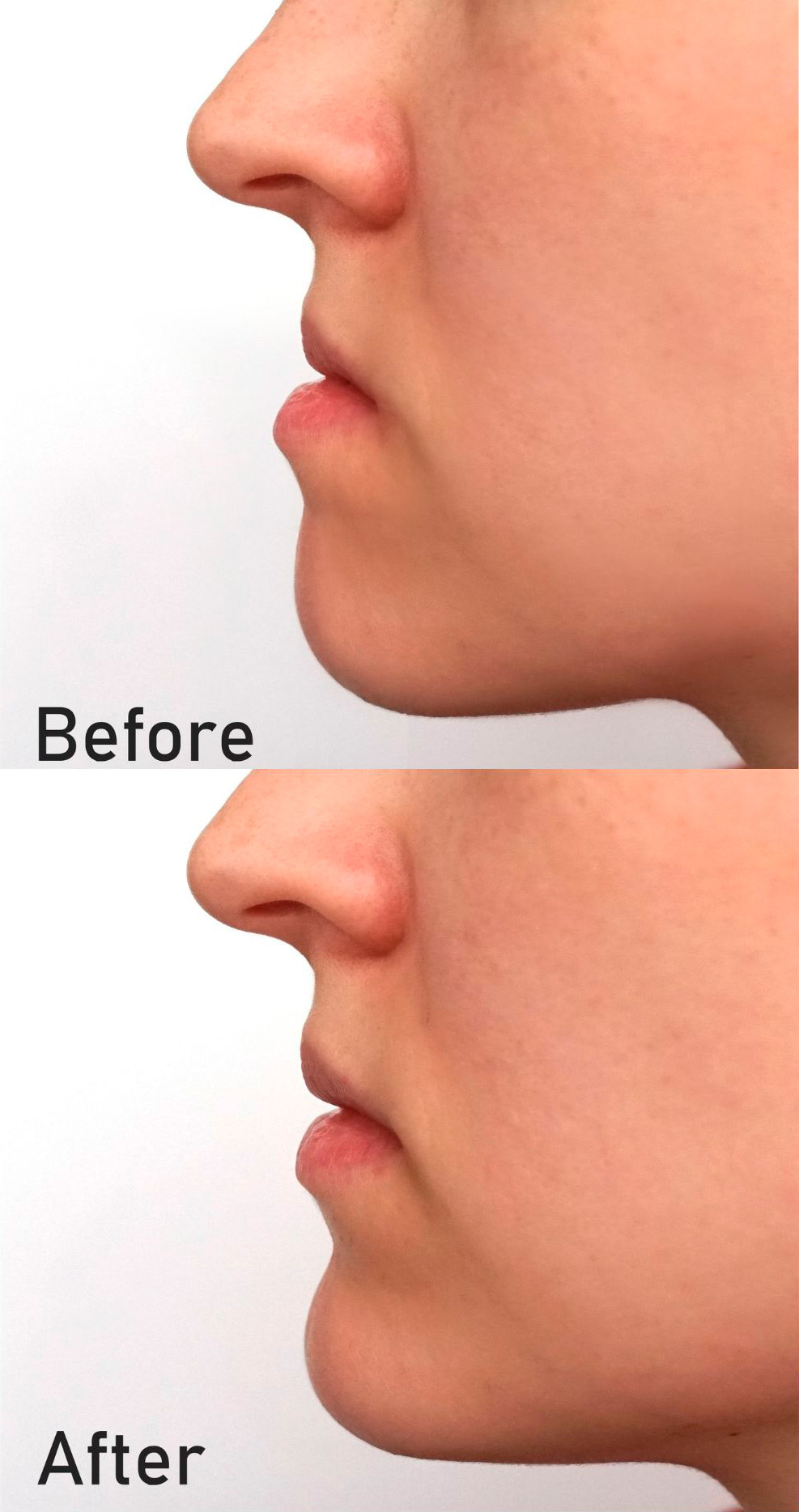
Various skeletal discrepancies and functional problems benefit from orthognathic surgery. Identifying these conditions helps determine whether surgical intervention offers the best solution for your specific situation.
These conditions often cause difficulty chewing, chronic jaw pain, speech problems, and self-consciousness about facial appearance. Orthognathic surgery addresses all these concerns simultaneously.
Orthognathic surgery represents one of oral and maxillofacial surgery’s most sophisticated procedures, requiring extensive planning and precise execution. This surgery corrects developmental abnormalities, congenital conditions, and acquired deformities affecting jaw position and facial structure.
Patients seek orthognathic surgery to address a range of skeletal and functional concerns that impact both oral health and quality of life. Common conditions include significant jaw misalignment that affects chewing efficiency, breathing difficulties related to skeletal structure, and facial asymmetry resulting from uneven jaw development. The procedure proves particularly beneficial for individuals with severe bite problems that orthodontics alone cannot resolve.
Developmental jaw discrepancies often manifest during adolescence when facial growth patterns become apparent. Some patients present with underdeveloped or overdeveloped jaws that create functional challenges and facial disproportion. Congenital conditions such as cleft lip and palate may require orthognathic intervention as part of comprehensive treatment. Additionally, trauma-related deformities and certain medical conditions affecting bone development may necessitate surgical jaw repositioning to restore proper function and appearance.
The comprehensive nature of orthognathic surgery addresses both functional impairments and aesthetic concerns simultaneously. By repositioning the jaws into proper alignment, the procedure improves bite function, enhances facial balance, and can resolve associated issues such as temporomandibular joint problems and obstructive sleep apnea in select cases.
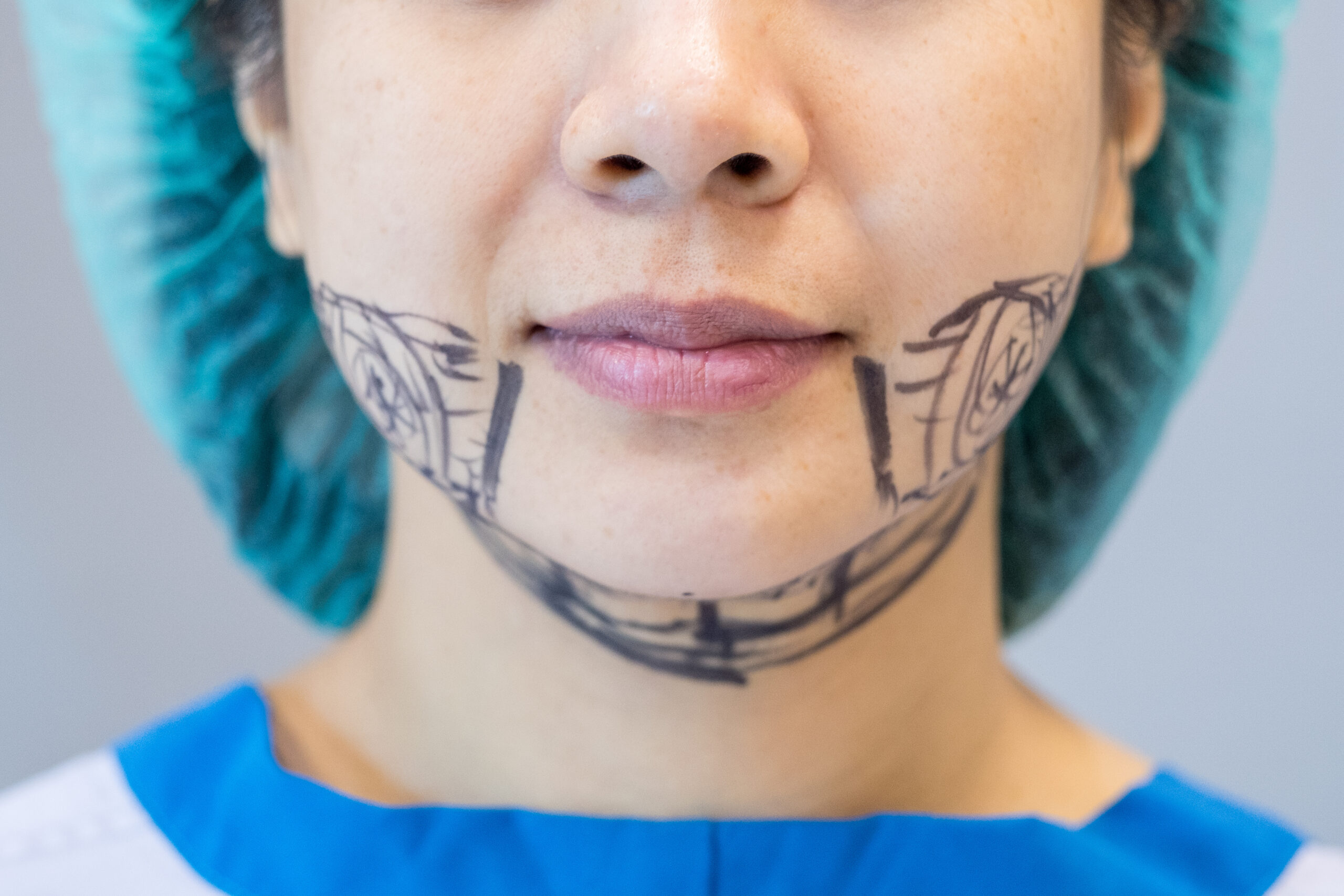

Orthognathic surgery follows a meticulously planned treatment sequence that typically spans several months from initial consultation to final results. The process begins with comprehensive diagnostic evaluation including detailed imaging, dental impressions, and facial analysis to determine the precise nature and extent of skeletal discrepancies. Advanced technology enables surgeons to create detailed treatment plans that predict outcomes and guide surgical execution.
Pre-surgical orthodontics plays a critical role in preparing patients for jaw repositioning. This phase aligns teeth within their respective jaw bones, creating the foundation for optimal surgical correction. The orthodontic preparation period varies based on individual circumstances but ensures teeth will fit together properly once the jaws are repositioned.
The surgical procedure involves carefully repositioning jaw bones to optimal positions, secured with titanium plates and screws allowing immediate function while bones heal. Unlike cosmetic surgery focusing solely on appearance, orthognathic surgery addresses functional problems while simultaneously improving facial aesthetics. Surgeons access the jaw bones through intraoral incisions when possible, minimizing visible scarring while achieving precise skeletal corrections.
Post-surgical recovery requires careful monitoring as bones heal in their new positions. Patients progress through graduated diet modifications and activity restrictions during the initial healing phase. Follow-up orthodontic treatment fine-tunes the bite relationship, ensuring long-term stability. The entire process represents a collaborative effort between oral surgeons and orthodontists, working in concert to achieve optimal outcomes.
Orthognathic surgery requires specialized training, advanced technology, and meticulous surgical planning to achieve optimal functional and aesthetic outcomes. Our board-certified surgeons combine elite academic credentials with cutting-edge 3D surgical planning to deliver the highest standard of corrective jaw surgery care in the Greenwich area.
Initial consultation includes comprehensive examination, facial photographs, dental impressions, and radiographic imaging. We use 3D cone beam CT scanning to create detailed surgical plans, virtually performing surgery before the actual procedure. Pre-surgical orthodontics, typically lasting 12-18 months, aligns teeth within each jaw preparing for surgical repositioning. Virtual surgical planning allows us to show predicted outcomes, helping you visualize your results before surgery begins. Computer-guided surgical techniques enable precise bone repositioning according to predetermined plans, improving accuracy and reducing operative time.
Our surgeons completed six-year hospital-based oral and maxillofacial surgery residencies at Columbia University and other leading medical centers, including specialized training in orthognathic surgery techniques. With dual MD/DDS degrees from Harvard and Columbia Universities, our team brings comprehensive medical and surgical expertise to complex jaw surgery cases. This advanced training includes rotations at major trauma centers and mentorship with preeminent orthognathic surgeons, providing experience with thousands of successful jaw surgery procedures and expertise managing even the most challenging cases.
Orthognathic surgery requires careful coordination between your oral surgeon and orthodontist throughout treatment. We work closely with your orthodontist from initial evaluation through final refinement, ensuring seamless collaboration at every stage. Our surgeons take time to understand your functional concerns and aesthetic goals, creating personalized treatment plans addressing both bite function and facial balance. Detailed pre-operative consultations explain the entire process, expected timeline, and predicted outcomes, ensuring you feel informed and confident about your surgical journey.
While improved appearance motivates many patients, orthognathic surgery’s functional benefits often prove even more life-changing. Understanding these improvements helps appreciate the procedure’s comprehensive impact.

Orthognathic surgery is a life-changing procedure that corrects jaw alignment and improves both function and appearance. Understanding the process, timeline, and what to expect helps you make informed decisions about your care.
Orthognathic surgery corrects jaw misalignment that cannot be addressed with orthodontics alone. This includes severe underbites or overbites, open bites where teeth don’t meet properly, facial asymmetry from uneven jaw growth, difficulty chewing or biting food, chronic jaw pain or TMJ disorders, sleep apnea caused by jaw position, and speech difficulties related to jaw alignment. The surgery repositions the upper jaw, lower jaw, or both to improve bite function, facial balance, and breathing. Many patients also experience significant aesthetic improvements in their facial profile and symmetry.
The complete orthognathic surgery process typically spans 18-24 months from initial consultation to final results. Pre-surgical orthodontics usually takes 12-18 months to align teeth within each jaw in preparation for surgery. The surgical procedure itself lasts 2-4 hours depending on complexity. Initial recovery requires 2-3 weeks before returning to work or school, with complete bone healing over 6-8 weeks. Post-surgical orthodontics for final refinement typically takes 6-12 months. While this seems lengthy, the comprehensive approach ensures optimal functional and aesthetic outcomes that last a lifetime.
Expect significant facial swelling and bruising during the first week, which gradually subsides over 2-3 weeks. You’ll follow a liquid diet initially, progressing to soft foods over several weeks as healing allows. Most patients return to work or school within 2-3 weeks, though strenuous activity should be avoided for 6-8 weeks. Pain is typically well-managed with prescribed medications. Your jaws may be wired or banded together temporarily to maintain proper positioning during initial healing. Follow-up appointments monitor healing progress and adjust orthodontic treatment as needed. Complete bone healing and final aesthetic results become apparent over several months.
Many orthognathic surgery cases are covered by medical insurance when the procedure is deemed medically necessary to correct functional problems like difficulty chewing, breathing issues, or sleep apnea. Coverage typically requires documentation of medical necessity and pre-authorization, which can take 6-8 weeks. Purely aesthetic jaw surgery is generally not covered. Our team works with your insurance company to verify benefits, obtain pre-authorization, and maximize your coverage. We provide detailed cost estimates showing expected insurance coverage and your out-of-pocket expenses before scheduling surgery.
We’re proud to serve patients throughout the tri-state area with multiple convenient locations across Connecticut and New York. Our flagship practice in Greenwich, Connecticut, features brand-new, state-of-the-art surgical suites designed to provide the highest level of care in a modern, comfortable setting. We also maintain offices in Darien, Connecticut, Westport, Connecticut and Purchase, New York, ensuring accessible, premium oral and maxillofacial surgery services for patients throughout Fairfield and Westchester Counties. Whether you’re coming from Old Greenwich, Riverside, Stamford, New Canaan, or the surrounding communities, our Board Certified oral surgeons are ready to provide the advanced surgical care you deserve close to home.